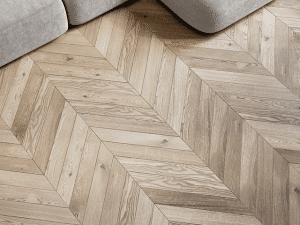
Floor noise is one of the most common concerns homeowners and property managers experience after a flooring installation. Squeaking, popping, creaking, clicking, hollow sounds, and cracking noises can happen with hardwood, laminate, vinyl plank, tile, and even carpeted flooring systems. While some sounds may be harmless, others can indicate installation problems, moisture issues, subfloor movement, or structural concerns that should be professionally evaluated.
At Advanced Flooring Inspections, we help identify the source of floor noise issues through professional flooring inspections, moisture testing, and forensic flooring analysis. Understanding why floors make noise is the first step toward preventing further damage and determining the proper solution.
TL;DR: Common Reasons Flooring Makes Noise
- Subfloor movement can cause squeaking or creaking.
- Improper installation may lead to popping or clicking sounds.
- Moisture and humidity changes can cause expansion and contraction.
- Uneven subfloors may create hollow or noisy areas.
- Loose fasteners or adhesive failure can contribute to floor movement.
- Different flooring materials produce different types of sounds.
- Professional flooring inspections help determine the exact cause.
Subfloor Movement Often Causes Squeaking and Creaking Flooring
Many flooring noises originate below the visible flooring surface. Subfloors that move under foot traffic can create squeaks, creaks, and popping sounds over time. This movement may happen because of loose fasteners, structural settling, inadequate subfloor preparation, or gaps between flooring components.
Hardwood flooring is especially sensitive to subfloor movement because wood naturally expands and contracts with environmental conditions. Luxury vinyl plank flooring and laminate flooring can also become noisy if the subfloor is uneven or improperly prepared before installation.
In some cases, flooring noise may only occur in specific areas of the home, while in others, the issue may affect multiple rooms. Identifying where and when the sound occurs can help determine the underlying cause.
Moisture and Humidity Changes Can Affect Flooring Performance
Moisture is one of the leading causes of flooring noise and flooring failure. Changes in humidity levels may cause flooring materials to expand, contract, shift, or separate. When flooring materials move against each other or the subfloor, noises such as clicking, cracking, or popping may develop.
Hardwood flooring commonly reacts to seasonal humidity changes, while vinyl and laminate flooring may become noisy if moisture affects the subfloor underneath. Excess moisture can also weaken adhesives and contribute to flooring instability.
Improper acclimation before installation can also increase the risk of flooring movement and noise later on. Flooring materials need time to adjust to the indoor environment before installation begins.
Improper Flooring Installation Can Lead to Noise Problems
Improper installation is another major reason flooring becomes noisy. Flooring systems must be installed according to manufacturer specifications and industry standards. If expansion gaps are missing, locking systems are damaged, adhesive coverage is inadequate, or flooring materials are installed over uneven surfaces, movement and noise can occur.
Some common installation-related flooring noises include:
- popping when walking
- hollow sounds
- clicking noises
- shifting planks
- cracking tile sounds
Noise issues may not appear immediately after installation. In many cases, problems develop gradually as the flooring system experiences normal use and environmental changes.
Poor subfloor preparation is another common contributor. If subfloors are not level, clean, dry, and structurally sound before installation, flooring performance problems may eventually develop.
Different Flooring Materials Produce Different Flooring Sounds
Different flooring products produce different types of sounds depending on their material composition and installation method.
Hardwood Flooring Noise
Hardwood floors commonly squeak, creak, or pop due to wood movement, humidity changes, or fastener issues. Seasonal expansion and contraction can also create gaps or movement between boards.
Luxury Vinyl Plank Flooring Noise
Luxury vinyl plank flooring may click or shift if locking systems fail or if subfloor flatness requirements are not met. Movement beneath the planks can create noticeable sounds during foot traffic.
Laminate Flooring Noise
Laminate flooring often produces hollow sounds or clicking noises when underlayment problems or uneven subfloors exist. Moisture intrusion may also contribute to flooring movement.
Tile Flooring Noise
Tile flooring can crack or sound hollow if there are bonding failures, subfloor movement, or improper installation techniques. Hollow-sounding tiles may indicate adhesion issues beneath the tile surface.
Flooring Inspections Help Identify the Source of Flooring Noise
Determining the exact cause of flooring noise usually requires a professional evaluation. Flooring noise may stem from installation defects, environmental conditions, structural movement, manufacturing defects, or substrate issues. A flooring inspection can help identify contributing factors and determine whether corrective action is necessary.
At Advanced Flooring Inspections, we provide:
- flooring inspections
- moisture testing
- forensic flooring analysis
- site evaluations
- installation assessments
- expert consultation services
Our goal is to identify the source of flooring problems accurately and provide detailed findings based on industry standards and real-world flooring performance.
Flooring Noise Should Not Always Be Ignored
While some flooring sounds may be minor, ongoing or worsening noise can indicate larger issues developing beneath the surface. Early identification of flooring movement, moisture intrusion, or installation deficiencies can help prevent more extensive damage and costly repairs later.
If your flooring is making unusual noises, a professional flooring inspection can help determine whether the issue is cosmetic, environmental, structural, or installation-related. Contact Advanced Flooring Inspections today to get started on your next inspection.
Noisy Flooring FAQs
Why does my floor squeak when I walk on it?
Floor squeaks are commonly caused by subfloor movement, loose fasteners, flooring expansion, or friction between flooring materials. In many cases, squeaking develops over time as flooring materials shift with normal use, seasonal humidity changes, or structural settling within the home.
Can humidity make flooring noisy?
Yes. Changes in humidity can cause flooring materials to expand and contract, which may lead to popping, creaking, clicking, or movement-related noises. Hardwood flooring is especially sensitive to moisture fluctuations, but laminate and vinyl flooring can also be affected by changing environmental conditions.
Is noisy flooring a sign of improper installation?
In some cases, yes. Missing expansion gaps, uneven subfloors, poor adhesive coverage, or installation methods that do not meet manufacturer guidelines can contribute to flooring noise. Improper installation issues may not appear immediately and can worsen gradually over time.
Why does my vinyl plank flooring click?
Luxury vinyl plank flooring may click due to locking system movement, uneven subfloors, improper installation, or insufficient floor preparation before installation. Clicking sounds often occur when planks shift slightly under foot traffic.
Can moisture cause flooring noise?
Yes. Moisture can affect both flooring materials and subfloors, leading to expansion, contraction, separation, adhesive failure, and movement-related noise. Excess moisture is one of the leading contributors to long-term flooring performance issues.
Should flooring noise be professionally inspected?
If flooring noise becomes persistent, worsens over time, or is accompanied by visible movement, gaps, lifting, or damage, a professional flooring inspection may help identify the underlying cause. Professional evaluations can help determine whether the issue is related to moisture, installation defects, subfloor conditions, or environmental factors.