
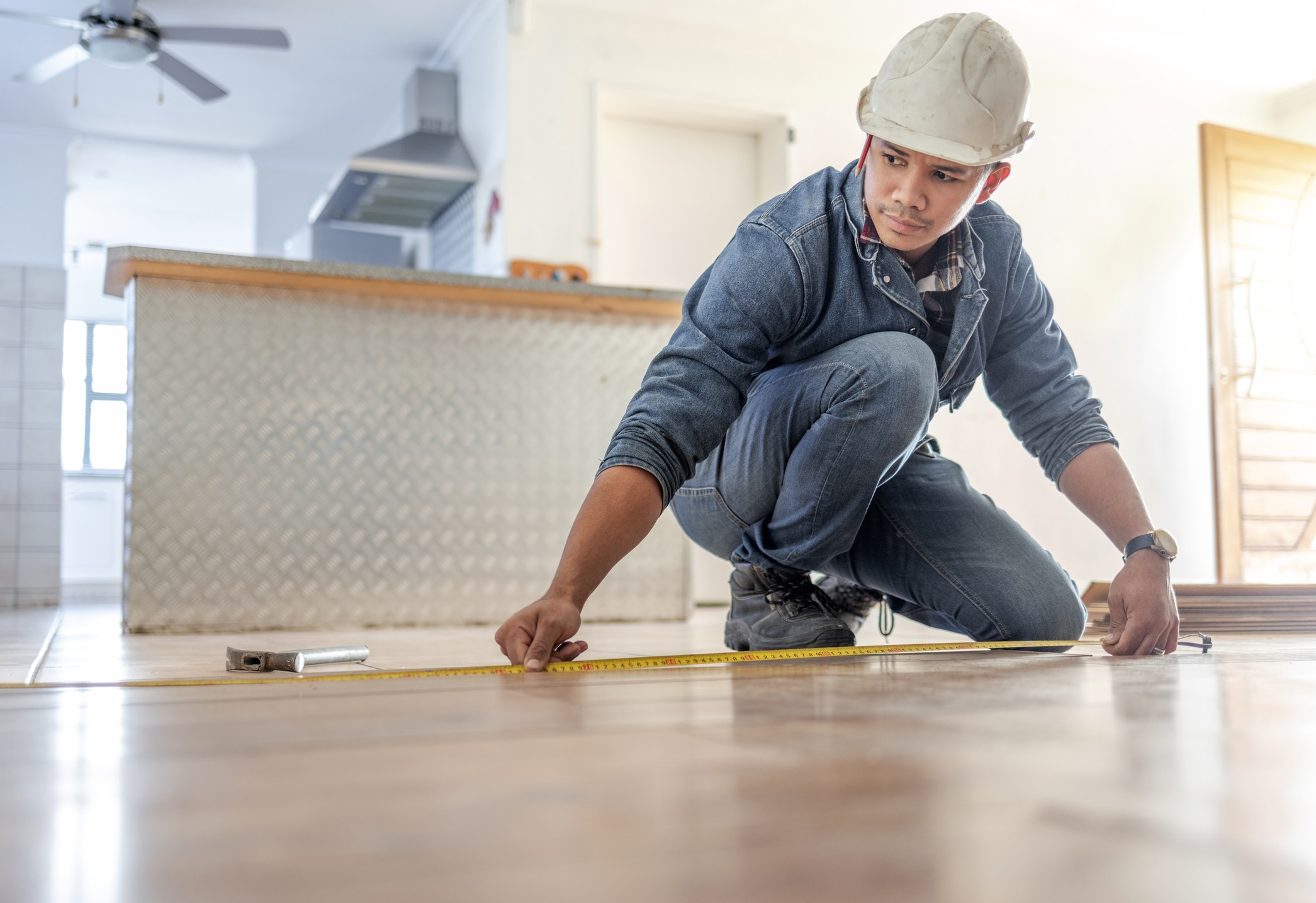
Flooring Consultation & Site Evaluation Services
At Advanced Flooring Inspections, our flooring consultation services are designed to help homeowners, contractors, builders, manufacturers, attorneys, and property managers make informed decisions regarding floor coverings, installation conditions, and long-term flooring performance. With decades of experience in flooring diagnostics, inspections, and failure analysis, we provide professional guidance focused on identifying potential issues before they become costly problems.
From material selection and site readiness evaluations to moisture testing and installation guidance, our consulting services help ensure flooring systems are installed under proper conditions and according to industry standards.
TLDR: Flooring Consultation Services
- Flooring consultation and technical guidance
- Site evaluations and moisture testing
- Hardwood flooring readiness inspections
- Installation condition assessments
- Flooring failure prevention support


What to Expect During a Flooring Consultation
A flooring consultation is designed to help identify potential concerns before they develop into costly installation or performance problems. We begin by considering the flooring material, installation environment, project scope, and any specific concerns surrounding the project.
Depending on the situation, our consultation may include a site evaluation, moisture testing, environmental readings, subfloor assessment, flooring material guidance, or a review of installation conditions and applicable industry standards. For hardwood projects, we may also evaluate whether environmental conditions and material acclimation are appropriate before installation begins.
Our goal is to identify conditions that could contribute to future problems such as cupping, buckling, gapping, cracking, adhesive failure, or premature wear. Once potential concerns are identified, we can provide technical guidance to help clients make informed decisions before moving forward.
How Can Moisture Cause a Floor to Fail?
Moisture is one of the most common contributing factors we encounter in flooring failures, but determining that moisture is involved is only the beginning. We also need to determine where it is coming from and how it is affecting the flooring system.
Possible conditions include elevated moisture from a concrete slab, excessive subfloor moisture, seasonal humidity changes, inadequate HVAC control, plumbing or appliance leaks, water intrusion, or the absence of an appropriate moisture mitigation system.
Our evaluations use calibrated instruments to collect relevant moisture and environmental data. Depending on the flooring and substrate, testing can include flooring and subfloor moisture measurements, ambient temperature and relative humidity readings, and appropriate testing of concrete slab conditions.
We then evaluate whether required moisture testing and mitigation procedures were completed before installation.
This distinction matters because replacing damaged flooring without addressing the underlying moisture condition can result in another failure. Identifying the source gives the project team better information for developing a corrective scope that addresses both the damaged flooring and the condition that caused it.


What If My Subfloor Wasn't Properly Prepared?
A flooring installation may look successful when it is first completed even when the surface underneath does not meet the necessary requirements. Problems can develop later if the subfloor was uneven, structurally unsuitable, excessively moist, incompatible with the selected flooring, or otherwise inadequately prepared.
These conditions can contribute to movement, cracking, poor adhesion, hollow areas, telegraphing, joint problems, and other flooring failures.
We evaluate subfloor conditions as part of our inspection and consultation services. This can include flatness verification, structural assessment, substrate compatibility analysis, moisture testing, and comparison with the flooring manufacturer’s requirements.
If the finished flooring has already failed, this information can help establish whether the substrate contributed to the problem. Before installation, the same type of evaluation can identify deficiencies while there is still an opportunity to correct them before expensive flooring materials cover the surface.
What If Flooring Was Installed Before the Building Was Ready?
A flooring product can be installed correctly in many respects and still experience problems if the building environment was not ready. Temperature, relative humidity, moisture conditions, HVAC operation, material acclimation, and substrate readiness can all influence long-term performance.
Hardwood and other moisture-sensitive products are particularly dependent on appropriate environmental conditions. Installing them before the material has acclimated or while site conditions fall outside manufacturer requirements can contribute to cupping, crowning, buckling, gapping, and dimensional changes.
We evaluate these factors using objective measurements rather than assumptions about how the space felt at the time of installation.
Our pre-installation services can verify site conditions, subfloor flatness, moisture levels, and material acclimation compliance before installation begins. When evaluating an existing failure, we can also review available project documentation alongside current field conditions.

Why Are Flooring Consultations Important?
Professional flooring consultations help identify potential concerns early so corrective action can be taken before installation begins. Proper planning and evaluation can help reduce expensive repairs, installation delays, material failures, and long-term performance issues.
What Does a Flooring Consultation Include?
Depending on the project, consultation services may include site evaluations, moisture testing, subfloor condition assessments, environmental reviews, flooring material guidance, installation recommendations, and industry standard evaluations. Our goal is to help clients better understand the conditions that impact flooring performance while identifying any factors that could compromise the installation.
Flooring Consultation vs. Flooring Inspection
The primary difference between a flooring consultation and flooring inspection is often when and why we’re involved. A consultation can be used proactively when you’re planning an installation or need technical guidance about flooring materials, moisture conditions, subfloor readiness, environmental conditions, or installation requirements.
A professional flooring inspection is generally more diagnostic. If flooring is already cupping, buckling, cracking, gapping, delaminating, separating, or experiencing another problem, we can collect and analyze evidence to determine the cause. Inspections can also become important when responsibility is disputed or when warranty, insurance, or legal matters are involved.
Both services rely on flooring knowledge, measurable data, and applicable standards, but they address different needs. If you’re trying to prevent a problem, consultation may be appropriate. If you’re trying to determine why an existing problem occurred, an inspection may be the better starting point.
Why Choose Advanced Flooring Inspections?
At Advanced Flooring Inspections, we specialize in flooring diagnostics, technical analysis, and flooring performance evaluations. Our consulting services are backed by extensive industry knowledge, inspection experience, and an in-depth understanding of flooring systems and failure conditions.
We provide unbiased evaluations and practical guidance designed to help clients make informed decisions while protecting the long-term performance of their flooring investments. Contact us today to get started.
We understand that flooring consultations often come with important questions about moisture testing, site conditions, installation standards, and long-term flooring performance. Browse our frequently asked questions below to learn more about our consultation and site evaluation services, or contact us directly if you don’t see your question listed.
Why is moisture testing important before flooring installation?
Moisture testing helps identify hidden moisture conditions within subfloors or concrete slabs that could eventually cause flooring movement, adhesive failures, warping, mold concerns, or other long-term performance issues after installation. Proper moisture testing is one of the most important steps in helping prevent future flooring failures.
Can improper site conditions cause hardwood flooring to fail?
Yes. Hardwood flooring is highly sensitive to environmental conditions. Excess moisture, unstable humidity levels, temperature fluctuations, poor site preparation, or inadequate acclimation can all contribute to cupping, buckling, crowning, gapping, and other flooring performance problems over time.
What happens during a flooring site evaluation?
A flooring site evaluation may include moisture testing, environmental readings, subfloor inspections, concrete slab evaluations, site condition assessments, and a review of factors that may impact installation performance or long-term flooring stability. The goal is to identify potential concerns before installation begins.
Why is acclimation important for hardwood flooring?
Hardwood flooring naturally expands and contracts based on surrounding environmental conditions. Proper acclimation allows flooring materials to adjust to interior moisture and humidity levels before installation, helping reduce the risk of excessive movement and future flooring problems.
Can flooring consultations help prevent costly repairs?
Yes. Identifying moisture concerns, site readiness issues, environmental instability, subfloor problems, or installation risks before flooring is installed can help prevent many expensive flooring failures, warranty disputes, and corrective repairs later on.
Can humidity or moisture cause permanent damage to hardwood floors?
Yes. Excessive moisture and uncontrolled humidity are among the most common causes of hardwood flooring problems. Prolonged exposure to elevated moisture levels can result in cupping, crowning, buckling, finish damage, staining, mold growth, and structural deterioration. In some cases, the damage can be corrected if identified early, but severe or long-term moisture exposure may lead to permanent damage requiring repair or replacement. A professional flooring inspection can help determine the extent of moisture-related issues and identify the source of the problem.
How do I know if my flooring problem requires a professional inspection?
If your flooring is showing signs of distress, the cause is unclear, or multiple parties disagree about what caused the problem, a professional inspection is the best way to determine the next step. Flooring inspections are especially valuable when warranty coverage, insurance claims, legal matters, or significant repair costs are involved because they provide objective findings supported by measurable data and recognized industry standards.
Can flooring problems get worse if they are ignored?
Yes. Many flooring issues continue to worsen over time if the underlying cause is not corrected. Moisture problems, installation deficiencies, and environmental conditions can lead to additional movement, cracking, delamination, adhesive failure, or structural damage. Addressing flooring concerns early often helps reduce repair costs and prevents more extensive failures.

